B-67/2, Naraina Indl. Area, Phase 2
New Delhi-110028 (INDIA)
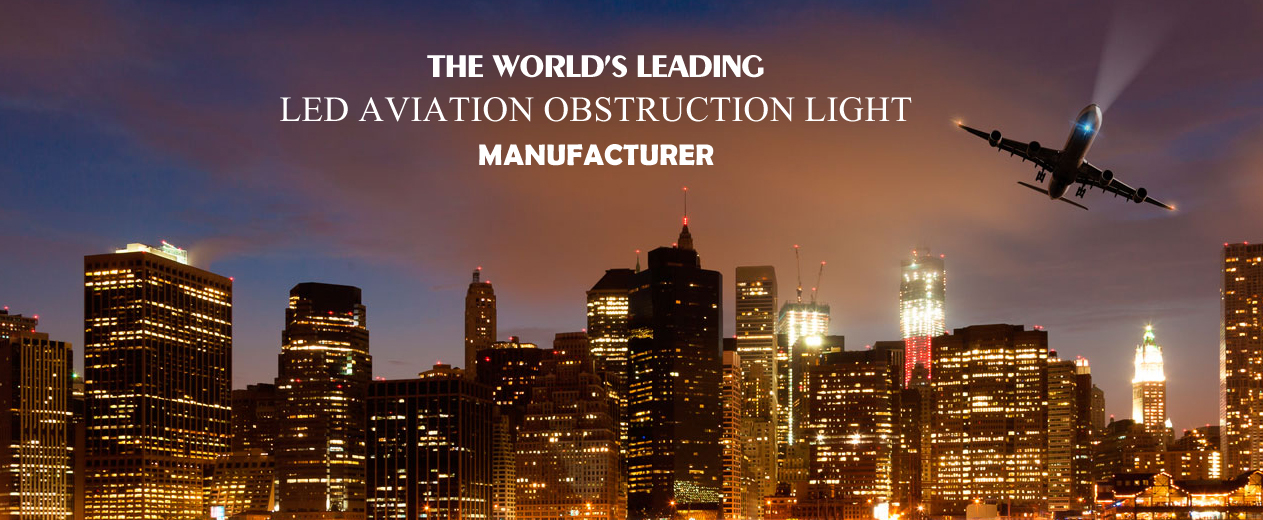
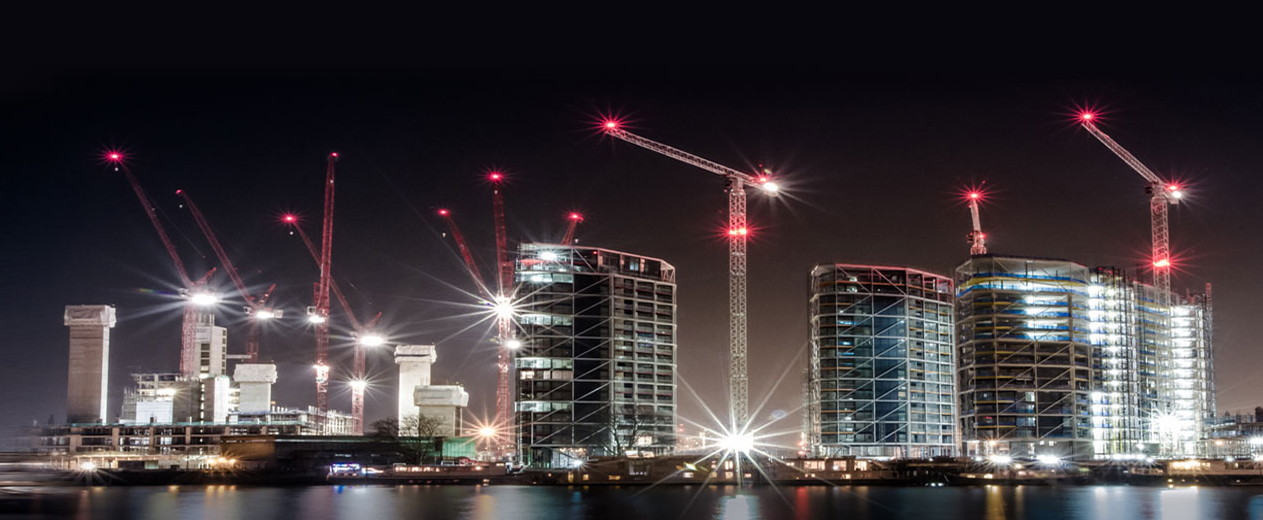




Our aviation obstruction lighting systems are designed according to global aviation safety guidelines .These standards ensure that tall structures remain clearly visible to pilots under various environmental conditions, including fog, rain, and darkness.
We utilize modern LED-based lighting systems that offer several advantages over traditional lighting technologies:
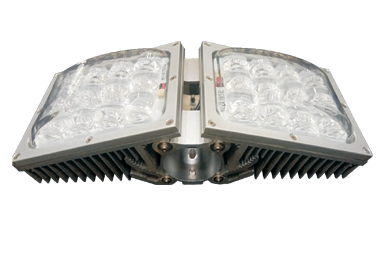
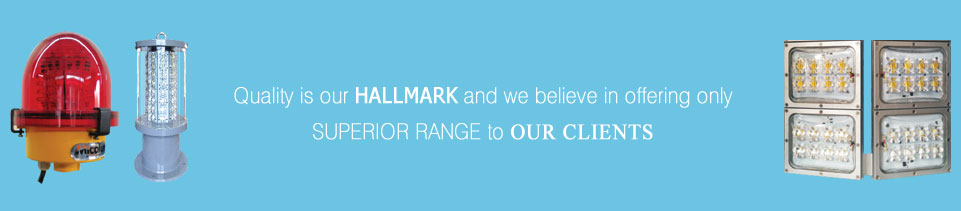
Our company offers a complete range of aviation obstruction lights to meet different structural height requirements.
We manufacture our aviation lights using robust materials .This ensures reliable operation even in harsh conditions like heavy rain, extreme heat, dust, and high humidity.
Our aviation obstruction lighting systems incorporate advanced features that improve efficiency and safety.
Our aviation obstruction lights are widely used across various sectors, including.
Our success is driven by a commitment to quality, innovation, and customer support.
Aviation obstruction lights are safety lights installed on tall structures to warn aircraft pilots about obstacles. They make structures visible at night or in low-visibility conditions.
They are required to ensure aviation safety by marking structures that could interfere with aircraft operations.
Yes. Most countries require them for tall structures based on aviation safety regulations set by authorities.
Regulations vary by country, but generally structures above 45 meters (150 feet) must have aviation obstruction lighting.
Some systems operate only at night, while others use day/night automatic systems that switch modes using photocells.
Yes. Solar-powered obstruction lights are widely used for remote towers, telecom sites, and temporary structures where grid power is unavailable.
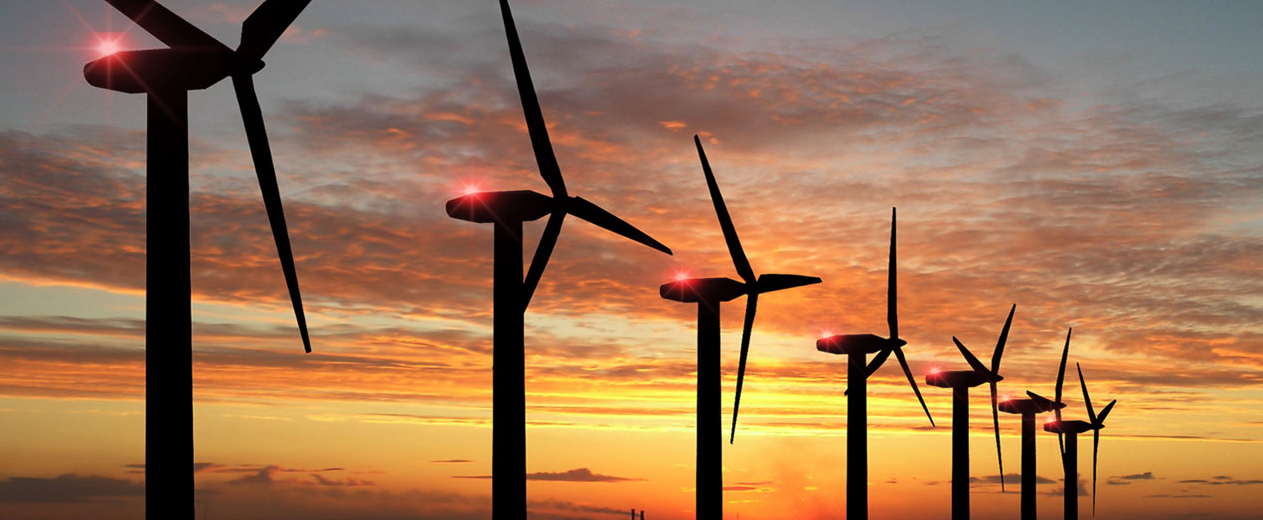
Yes. Wind turbines often use medium-intensity red or white flashing obstruction lights to comply with aviation safety standards.